Before you touch a machine, a cable, or a booty band — master these five movements. Everything else is just a variation.
Hazel
Trainer · Athlete · Advocate
Scroll ↓
The fitness industry loves complexity. It sells complexity. You don't need it — you need fundamentals.
There are only five movements that matter. Every machine, every cable variation, every Instagram-worthy exercise is just a variation of these five. Master the fundamentals and you can build any program you need. Chase complexity before you've mastered the basics and you'll spin your wheels for years.
Learn them. Perfect them. Build your strength on them. Then — and only then — start adding variations. Each movement below has a checklist you can tick as you drill it.
01
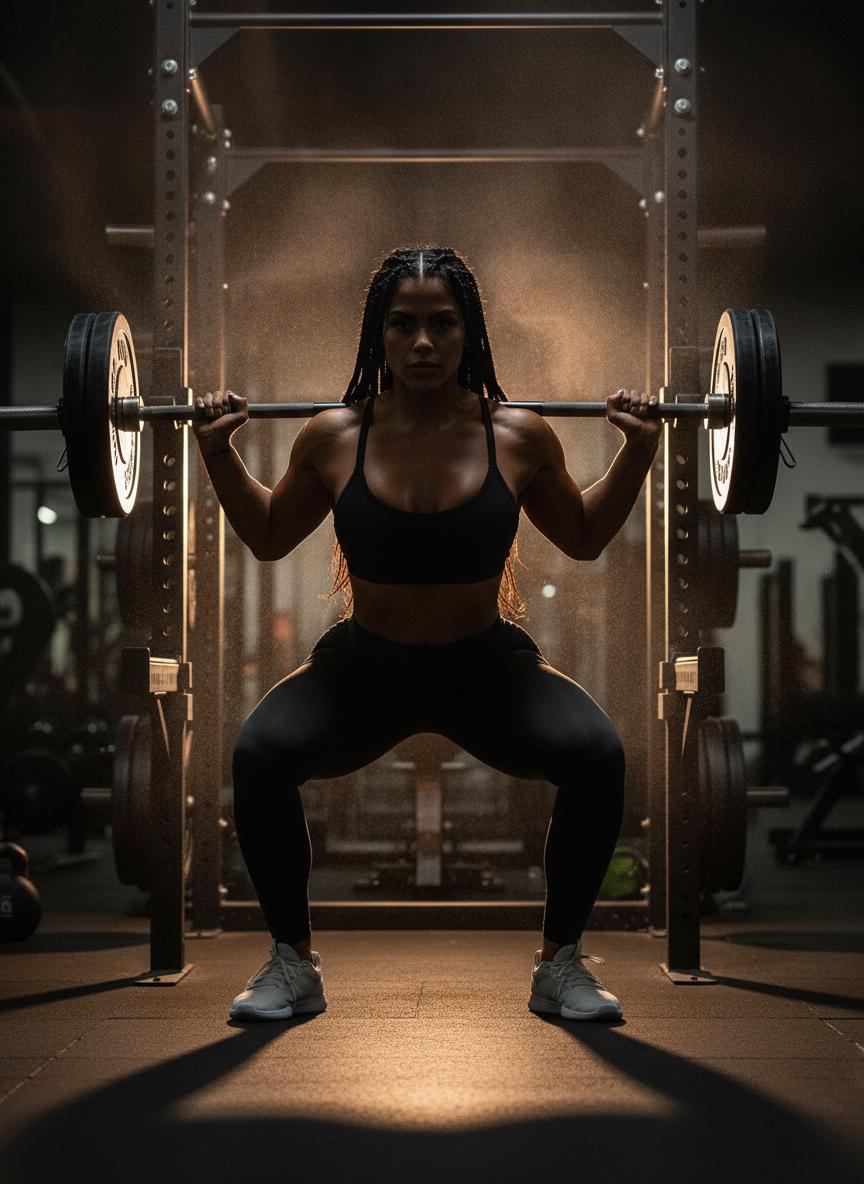
The Squat
Barbell back squat · below parallel
QuadsGlutesHamstringsCoreAdductors
Why it matters. The squat is the most functional movement you can train. You squat every time you sit down, stand up, or get out of a car. If you can't squat properly with added weight, you're neglecting the most basic human movement pattern.
Form checklist
Feet shoulder-width, toes out 15–30°
Brace your core like you're about to be punched
Hinge at hips and knees together
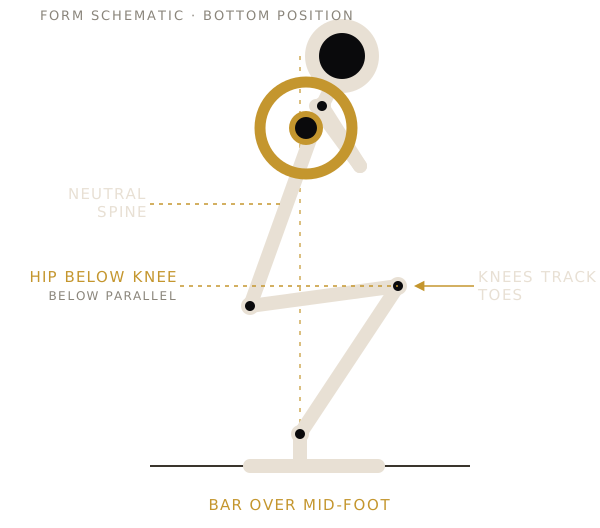
Descend until hip crease breaks below the knee
Drive through heels, knees tracking over toes
Common mistakes +
Knees caving inward — weak glutes. Add band walks to your warm-up.
Heels lifting — ankle mobility. Elevate heels with plates or squat shoes.
Not hitting depth — ego lifting. Lower the weight and squat properly.
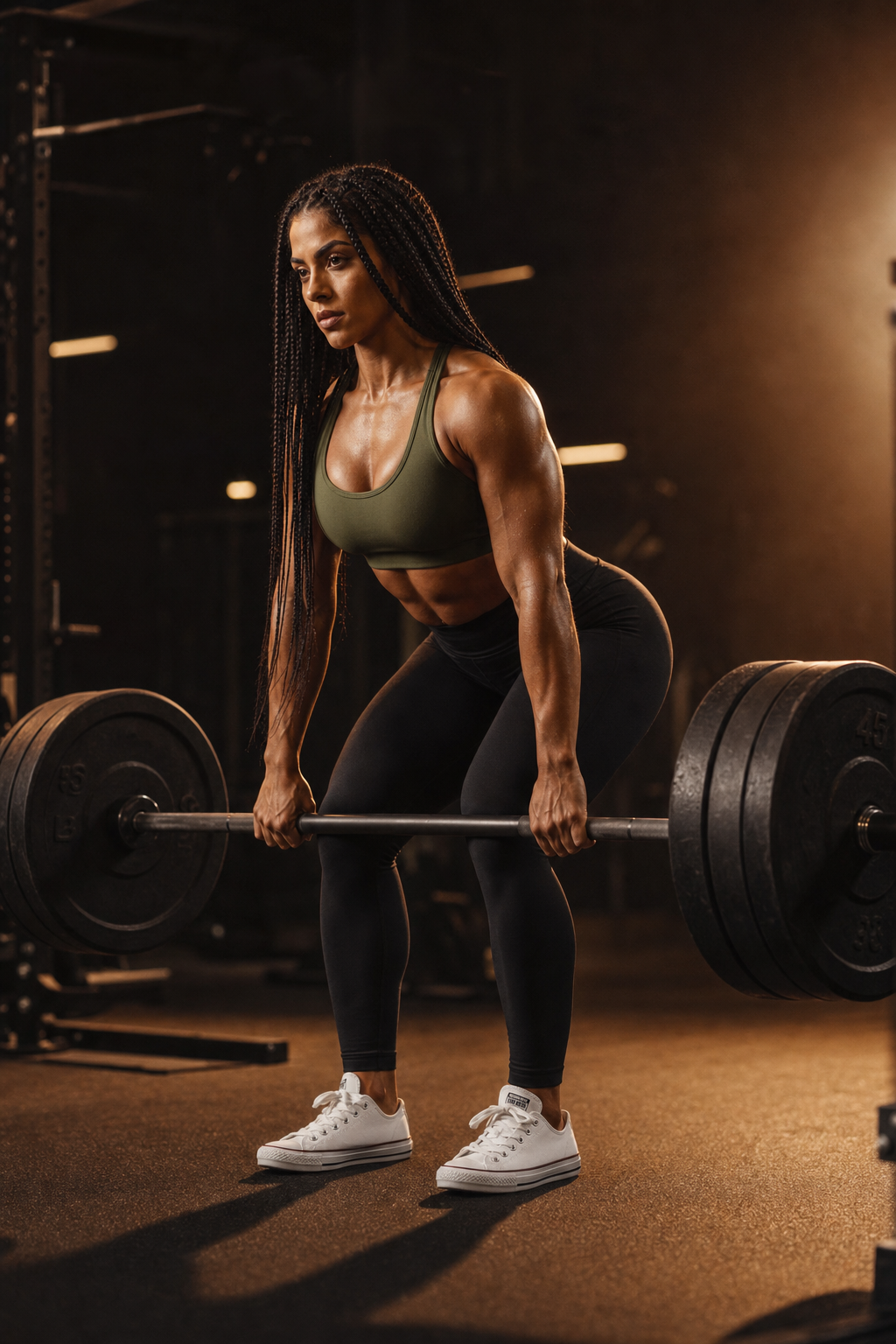
Why it matters. Nothing builds total-body strength like picking up something heavy from the ground. The deadlift teaches you to brace your spine, engage your hips, and generate power from the floor. It's the most humbling lift because the bar doesn't care about your ego. Physics always wins.
Form checklist
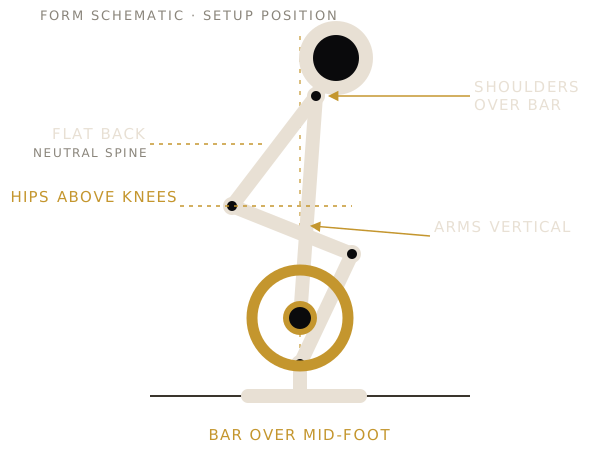
Feet hip-width, barbell over mid-foot
Grip just outside your legs, shoulder blades down and back
Flatten your back, brace your core
Push the floor away — hips and shoulders rise together
Drive hips forward to lockout, squeeze glutes
Common mistakes +
Rounding the lower back — injury risk. Drop the weight and learn to brace.
Squatting the weight up — hips too low. Start with higher hips.
Pulling with the arms — your arms are ropes, not levers. Lift with legs and hips.
Hyperextending at the top — squeeze glutes, don't lean back.
Progression
RDL→Conventional→Sumo→Trap bar→Deficit / blocks
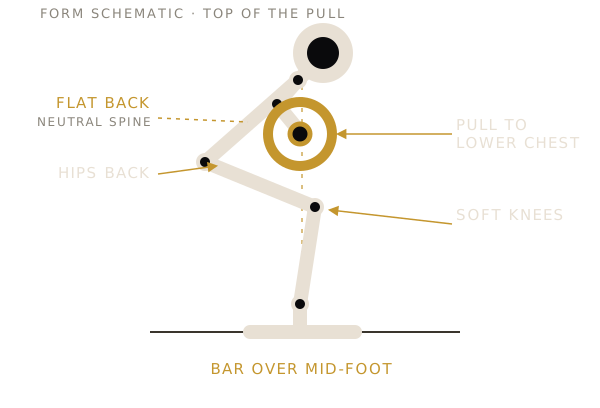
Form breakdown · key checkpoints
03
The Bench Press
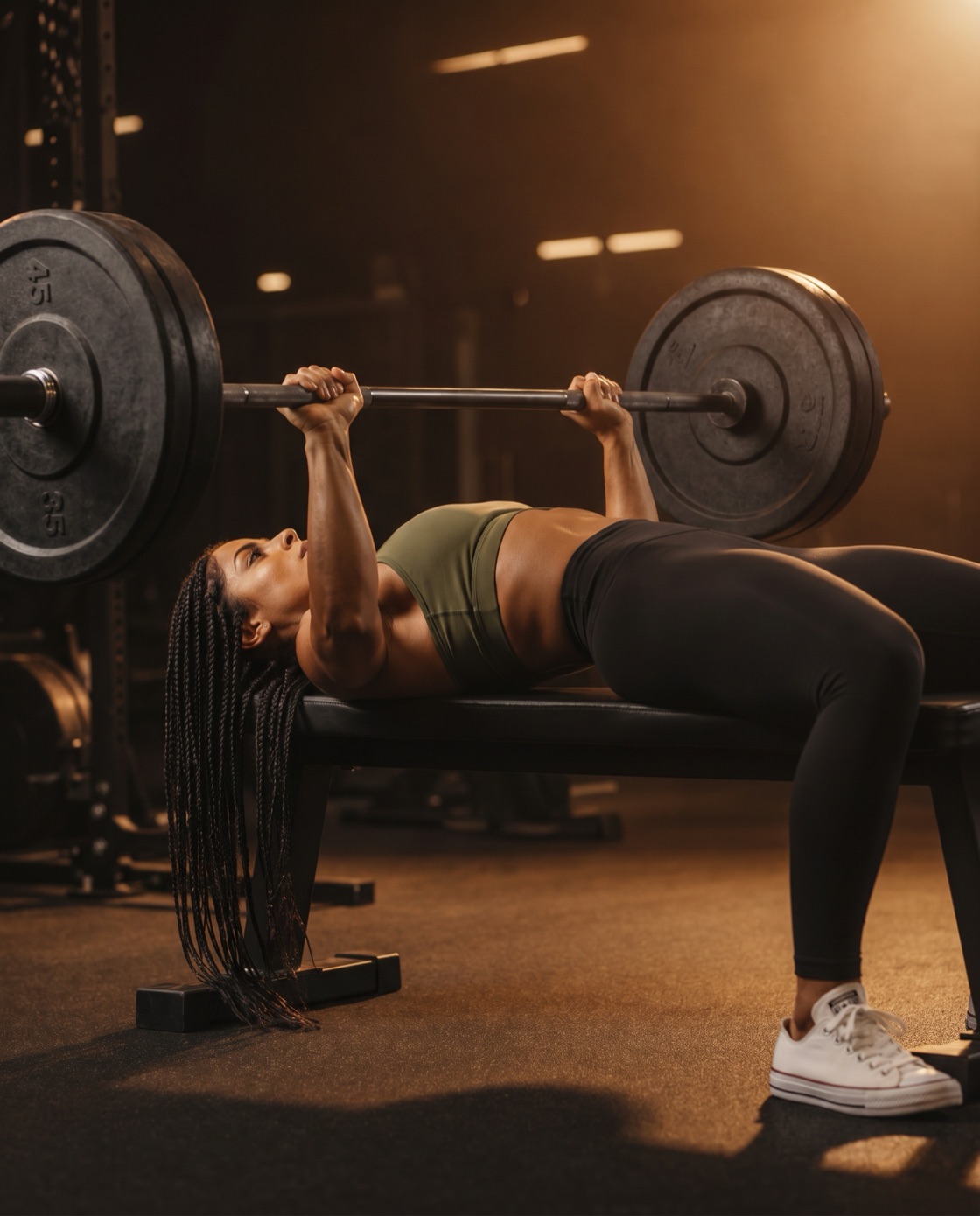
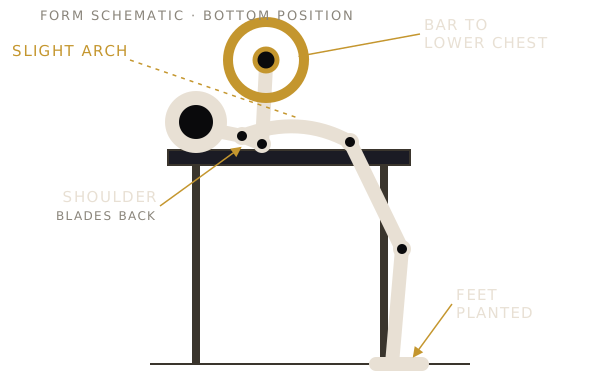
Barbell bench press · the bottom
ChestShouldersTricepsCore
Why it matters. The most ego-driven lift in the gym — which is where you'll see the worst form and the most unnecessary injuries. It's also the most effective way to build upper-body pushing strength. Learn it right and you'll avoid the shoulder pain that plagues most lifters by year three.
Form checklist
Eyes directly under the bar
Grip slightly wider than shoulder-width
Shoulder blades down and back, slight upper-back arch
Lower to mid-chest with control — no bounce
Press in a straight line, lock out without hyperextending
Common mistakes +
Flaring elbows to 90° — impingement risk. Keep them at 45–75°.
Bouncing the bar off the chest — cheating, and dangerous.
Feet off the floor — kills stability and power.
Half-repping — touch the chest every rep, or don't count it.
Why it matters. Standing up and pressing weight overhead is one of the most functional things you can do. It builds shoulder stability, core strength, and real-world power — carrying boxes, moving furniture, lifting luggage into an overhead bin.
Form checklist
Feet shoulder-width, bar at shoulder height
Grip just outside shoulders, wrists straight
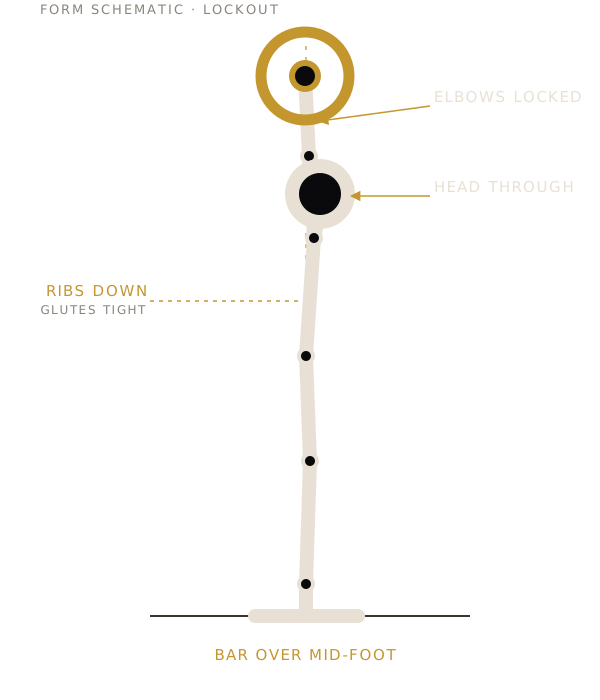
Brace core, squeeze glutes
Press straight up, move head back to clear the bar
Lock out with the bar over your mid-foot
Common mistakes +
Using leg drive — that's a push press. Learn the strict press first.
Arching the lower back — tighten the core, squeeze the glutes.
Elbows flaring wide — keep them ~45° forward.
No lockout — full range of motion, every rep.
Progression
DB press→Barbell OHP→Push press→Push jerk→Tempo / partials
Form breakdown · key checkpoints
05
The Row
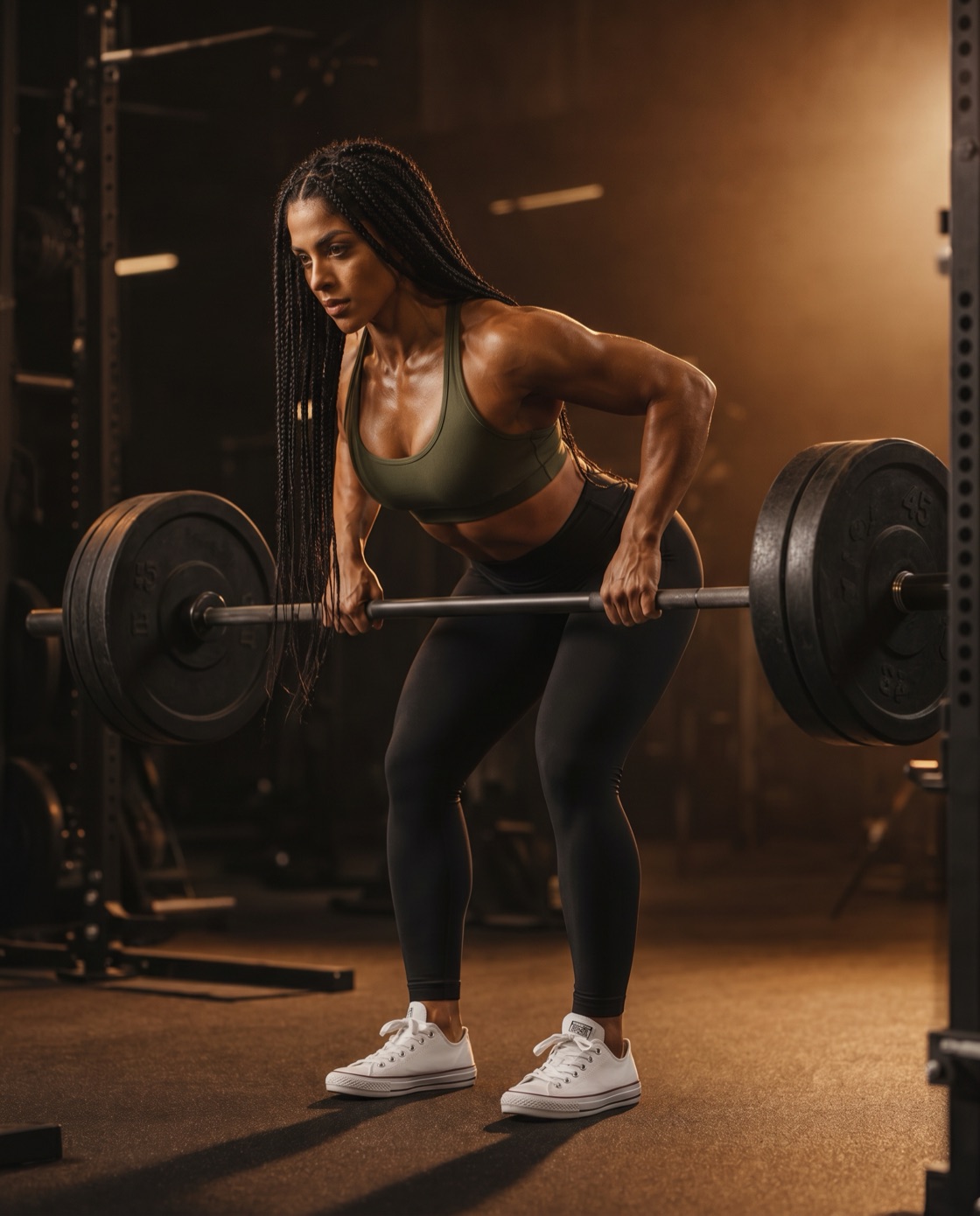
Bent-over barbell row · the setup
BackBicepsRear deltsPosture
Why it matters. For every push, you need a pull. The row builds the muscles that hold your shoulders in place and keep your posture from turning into a question mark after 10 years of desk work. A strong back is the foundation of a strong upper body.
Form checklist
Feet shoulder-width, hinge until torso ~parallel
Grip just outside your knees, palms down
Pull to the lower chest / upper abdomen
Squeeze shoulder blades together at the top
Lower with control, keep a neutral spine
Common mistakes +
Standing too upright — that's a shrug. Hinge deeper.
Swinging the weight — control it, no jerking.
Not squeezing the blades — pinch a pencil between your shoulder blades.
Rounding the lower back — brace your core, neutral spine.
Do only these five, 3 days a week, for the next year, and you'll be stronger than 90% of people in your gym. Add weight gradually. Track every session. Rest between days. Eat enough protein. Sleep 7–9 hours.
Heavy
Day A
Squat 3 × 8–10
Bench Press 3 × 8–10
Row 3 × 8–10
Pull focus
Day B
Deadlift 3 × 8–10
Overhead Press 3 × 8–10
Row 3 × 8–10
Lighter · form
Day C
Squat 3 × 8–10
Bench Press 3 × 8–10
Row 3 × 8–10
The whole game
Master the fundamentals. Everything else is optional.
A barbell, a rack, and five movements that have built strong humans for a century.
This guide is for general educational and informational purposes only. It is not medical advice, and it is not a substitute for consultation with a qualified physician, physical therapist, or certified strength coach.
Strength training carries inherent risks, including serious injury. Consult a healthcare provider before beginning any exercise program — especially if you are pregnant or postpartum, are managing an injury or chronic condition, have cardiovascular concerns, or have been sedentary. Always prioritize form over weight, progress gradually, and stop immediately if you feel sharp or unusual pain. If you learn a new movement, consider working with a qualified trainer in person.
By using this guide you accept full responsibility for your own training. Hazel and Significant Talent assume no liability for injury or loss arising from its use.
AI disclosure
Hazel is an AI-generated fitness persona. The training content here is grounded in established exercise science and biomechanical principles, but it is delivered by a synthetic character, not a licensed human professional. Treat it as a well-researched starting point — not personalized programming.