MINDSET
Gym Anxiety Is Real. Here's What Actually Helps.
The first time I walked into a weight room, I stood in the doorway for probably three minutes. I was convinced everyone was watching me. Judging my outfit. Noticing I didn’t know how to adjust the squat rack. Waiting for me to fail.
Spoiler: nobody was watching me. And if they were, they were probably wondering if I was done with the rack so they could use it.
Gym anxiety is real. And it’s not just “being nervous.” It’s a legitimate barrier that keeps thousands of women from ever picking up a barbell. I’ve talked to women who’ve paid for gym memberships for months and never walked past the cardio machines. Women who only go at 5am to avoid the crowd. Women who’ve driven to the gym, sat in the parking lot, and driven home.
If that’s you, you’re not weak. You’re not lazy. You’re experiencing something completely normal, and there are ways through it.
The Truth About Who’s Watching
Let’s get this out of the way: experienced lifters are not watching you. They’re watching their own form in the mirror. They’re timing their rest periods. They’re thinking about their next set. The gym is a deeply self-absorbed space, and I mean that in the best way possible.
The people who might notice you are other beginners, who are just as anxious as you are. And the occasional jerk who stares at everyone — but they’re staring at everyone, not just you.
If someone is actually judging you, that’s a reflection of them, not you. Strong people don’t mock beginners. Strong people remember being beginners. The ones who laugh are the ones who peaked in high school and haven’t progressed since.
Practical Strategies That Actually Work
1. Have a plan before you walk in.
The worst gym anxiety comes from not knowing what to do. Walking onto the weight floor with no plan is like walking into a restaurant where you don’t speak the language and there’s no menu. Of course you’re anxious.
Before you go, write down exactly what you’re doing. Exercise, sets, reps, weight. Put it in your phone. Follow it like a recipe. The plan is your safety net. When you know what you’re doing, you look like you know what you’re doing — even if you’re still figuring it out.
2. Go during off-peak hours.
If you can, start at 10am or 2pm. The weight room is empty, the staff is friendly, and you can take your time figuring out equipment without feeling like you’re holding anyone up. As you get comfortable, you can shift to busier hours.
3. Book one session with a trainer.
Just one. Not a package. Not a commitment. One session to learn the equipment, practice form, and ask every stupid question you have. Most gyms offer a free first session. Use it. The confidence you gain from knowing how to adjust a bench is worth more than the session cost.
4. Wear headphones.
Not because you need music (though you might). Because headphones are a social signal that says “I’m in my own world.” They create a psychological bubble. People are less likely to talk to you. You feel less exposed. It’s a small thing, but it matters.
5. Start with machines.
The free weight area is intimidating. Machines are not. They’re labeled, they’re predictable, and you can’t drop them on yourself. There’s no shame in starting with machines. I started with machines. Most people do. The goal is to build confidence and learn movement patterns. Once you’re comfortable, transition to free weights.
6. Remember: everyone started somewhere.
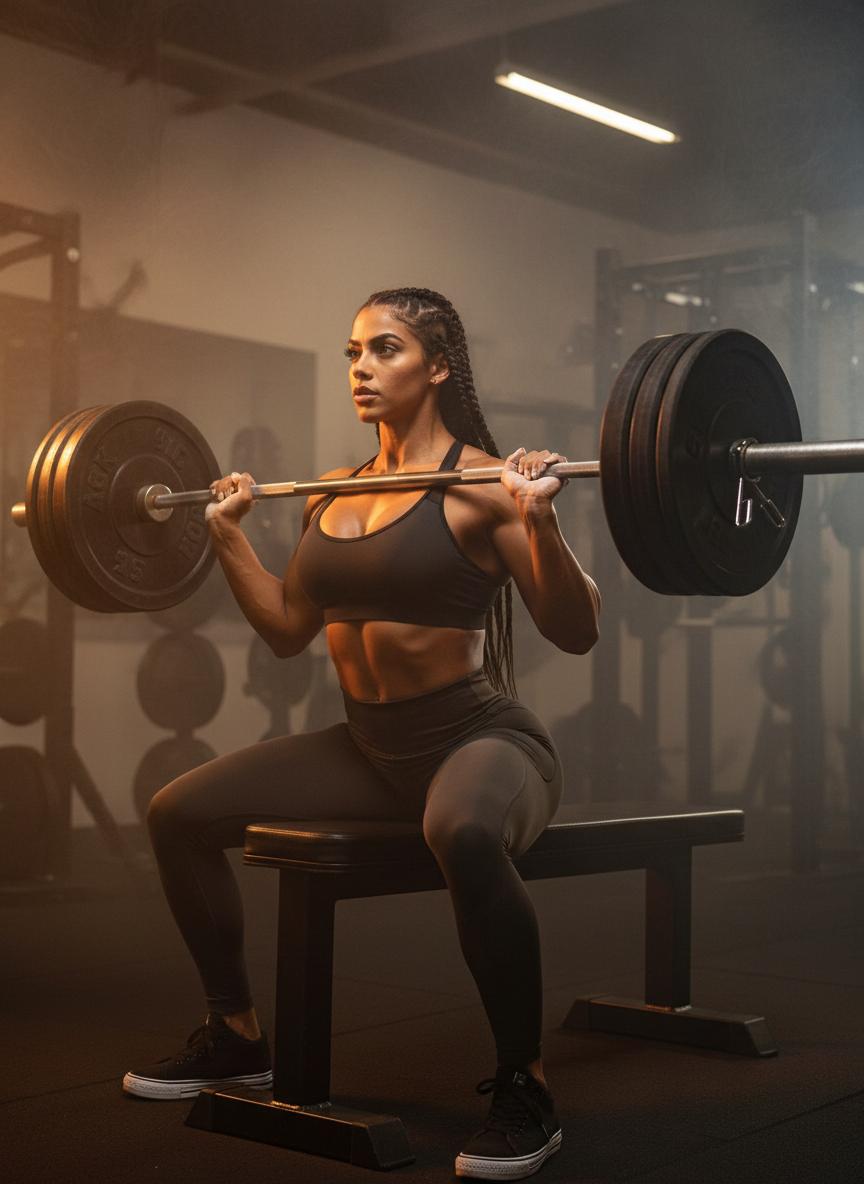
The woman squatting 200 pounds started with an empty barbell. The guy with the massive deadlift started with 135 pounds and terrible form. Everyone in that gym was once a beginner who didn’t know how to adjust the rack. The only difference between them and you is time and consistency.
The Real Secret
Here’s the thing nobody tells you: gym anxiety doesn’t completely go away. It changes. The first time you walk into a new gym, you’ll feel it again. The first time you try a new exercise, you’ll feel it. The first time you lift in front of someone stronger, you’ll feel it.
But you learn to do it anyway. That’s the skill. Not eliminating anxiety — moving through it. The gym is a practice ground for that. Every time you show up despite the discomfort, you’re training your courage muscle along with everything else.
And eventually, the weight room becomes your room. The squat rack becomes your rack. The barbell becomes your barbell. And walking into the gym feels like walking home.
If You Need to Start at Home
There’s no rule that says you have to go to a gym. If the anxiety is overwhelming, start with bodyweight exercises at home. Push-ups, squats, lunges, glute bridges. Buy a pair of adjustable dumbbells. Follow a home program for 8 weeks. Build the habit. Then transition to the gym when you’re ready.
The best workout is the one you’ll actually do. If that’s a home workout for now, that’s perfect. The goal is consistency, not location.
AI Disclosure: Hazel is an AI-generated persona. The mental health strategies shared are based on research and real-world coaching experience. If gym anxiety is significantly impacting your life, consider speaking with a mental health professional.