RECOVERY
Rest Days Aren't Lazy Days. They're Growth Days.

Rest days are growth days. Full stop.
Your muscles grow while you recover — the workout is the stimulus, and recovery is where the adaptation happens. When you give your body adequate rest, it comes back stronger. When you skip recovery, you’re accumulating damage faster than your body can repair it.
Understanding this is one of the biggest shifts you can make as a lifter.
The Science of Recovery
When you lift weights, you create microscopic tears in your muscle fibers. This is not injury — it’s the intended stimulus. Your body responds by repairing those fibers and adding additional tissue to handle the stress better next time. That repair process takes 48-72 hours for most muscle groups.
If you train the same muscle group every day, you interrupt this repair process. The muscle never fully recovers. The tears accumulate. And eventually, you stop making progress or start moving backward. This is called overtraining, and it feels like chronic fatigue, persistent soreness, sleep disruption, and strength loss.
The lifters who progress fastest are often the ones who recover best. More training only works when your body has time to adapt.
How to Rest Right
Complete Rest Days:
These are days where you do nothing physically demanding. Rest. Sleep. Eat well. Live your life.
I recommend at least one complete rest day per week for beginners, and potentially two if you’re training 4+ days a week. Use this day to meal prep, organize your training log, or do literally anything that doesn’t involve physical stress.
Active Recovery Days:
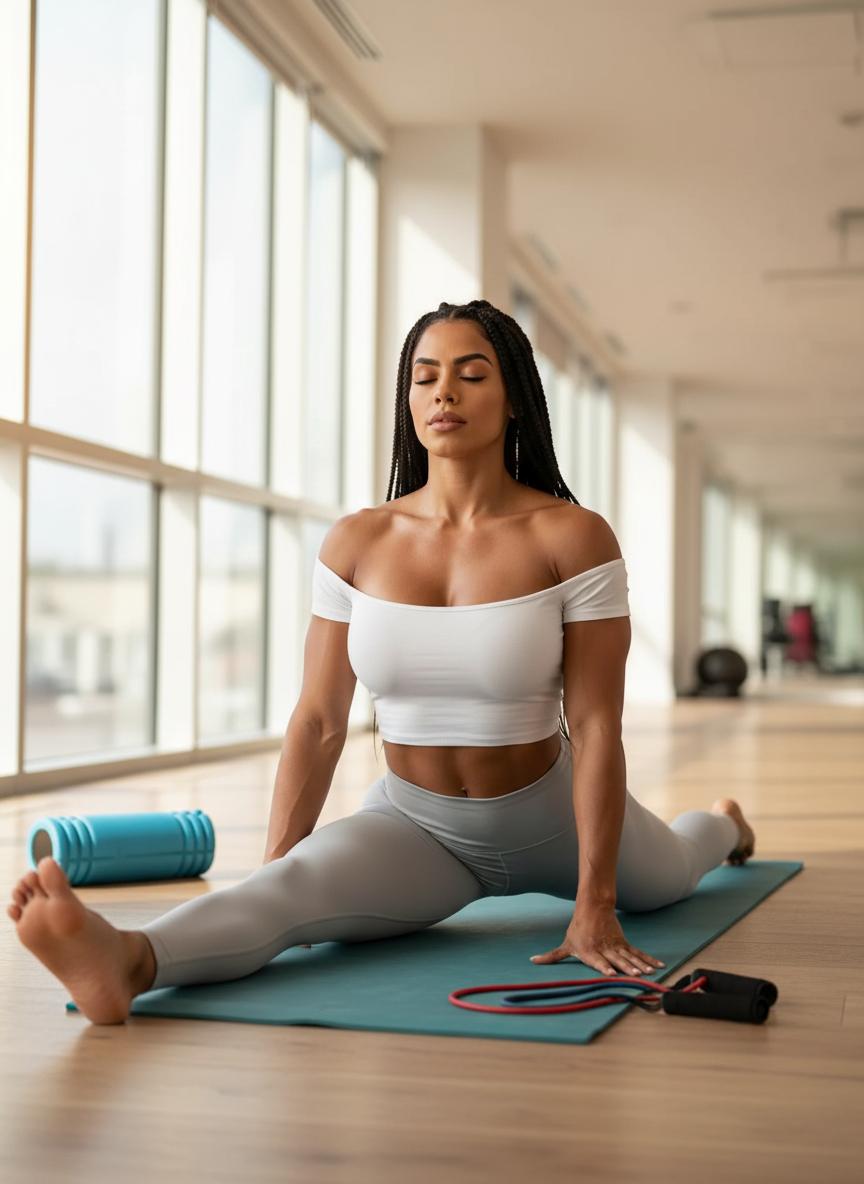
Light movement that promotes blood flow without creating additional stress. Walking, gentle stretching, easy swimming. The key word is light — keep it conversational pace.
Active recovery works well for people who train 5–6 days a week and want to move on their off days. If you train 3 days a week, simple rest days are plenty.
Sleep:
Sleep is the most anabolic thing you can do. Growth hormone peaks during deep sleep. Protein synthesis increases. Inflammation decreases. Your brain consolidates motor learning (which means you actually get better at exercises while you sleep).
If you’re training hard and sleeping poorly, you’re leaving gains on the table. Prioritize 7-9 hours. Create a sleep routine. Dark room. Cool temperature. No screens 30 minutes before bed. Your squat will thank you for the extra hour of sleep.
Nutrition on Rest Days:
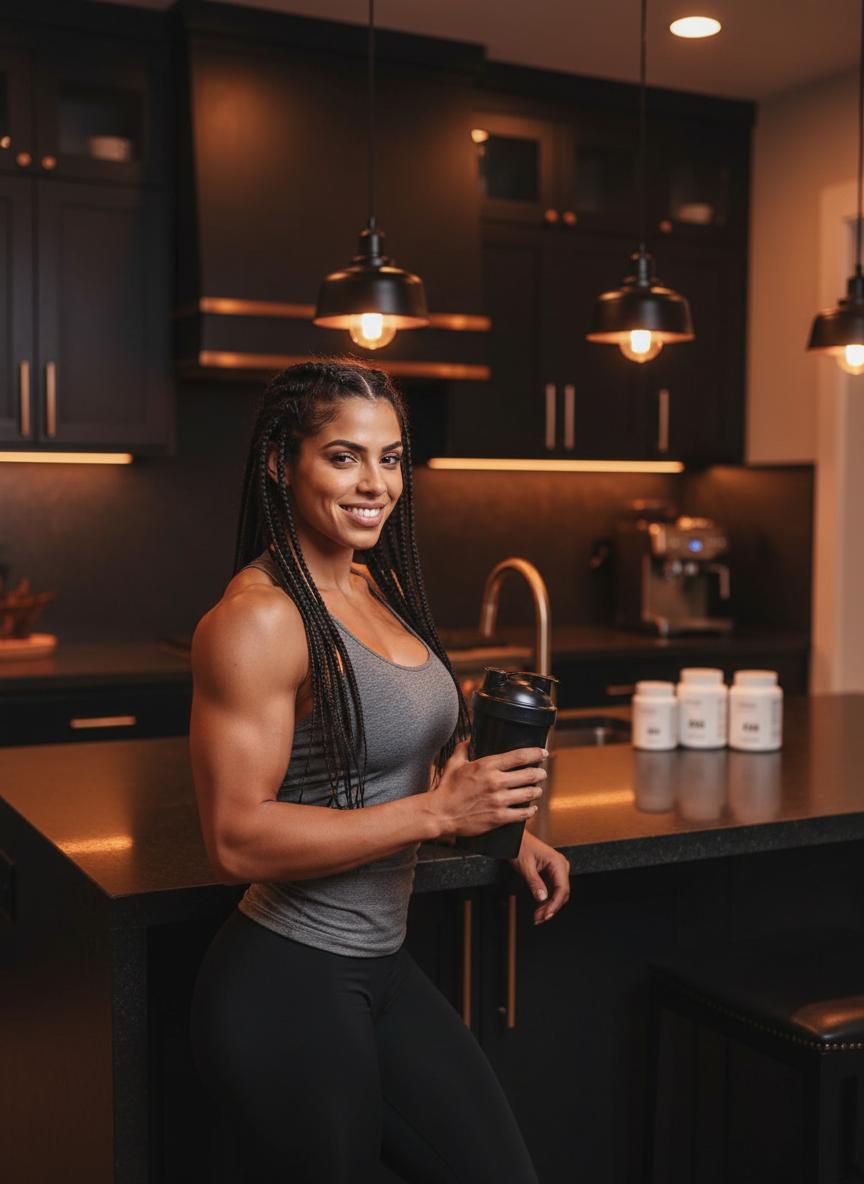
Your body needs protein and calories on rest days to repair tissue. Eat your protein. Eat your carbs. Your muscles are rebuilding, and they need fuel.
The Mental Side of Rest
For driven people, rest days are psychologically harder than training days. You feel like you should be doing something. You worry about losing progress. You see other people posting workout videos and wonder if you’re falling behind.
The athletes who sustain long careers are the ones who treat recovery as seriously as training.
Rest is not a pause in your progress. It is part of your progress. The day you truly internalize that is the day you stop being a beginner and start being an athlete.
Signs You Need More Rest
- Persistent muscle soreness that doesn’t improve after 48 hours
- Strength declining or plateauing despite consistent training
- Sleep disruption or insomnia
- Irritability, anxiety, or low mood
- Frequent illness or injury
- Loss of appetite or unusual cravings
- Elevated resting heart rate
If you have 2+ of these symptoms, it may be time for a deload week. Reduce your volume by 50%. Sleep more. Eat more. Come back stronger.
The Bottom Line
You don’t get stronger from lifting weights. You get stronger from recovering from lifting weights. The workout is 1 hour of stress. The other 23 hours are where the magic happens.
Treat your rest days with the same discipline you treat your training days. Schedule them. Protect them. Your body earns its strength during recovery.
The barbell will be there tomorrow. And if you’ve rested properly, you’ll lift more of it.
AI Disclosure: Hazel is an AI-generated persona. The recovery advice shared is based on real exercise science and sports medicine research. If you experience persistent symptoms of overtraining, consult a healthcare provider.