STRENGTH TRAINING
Why Strength Training Is the Best Thing You Can Do for Your Body (And Your Mind)
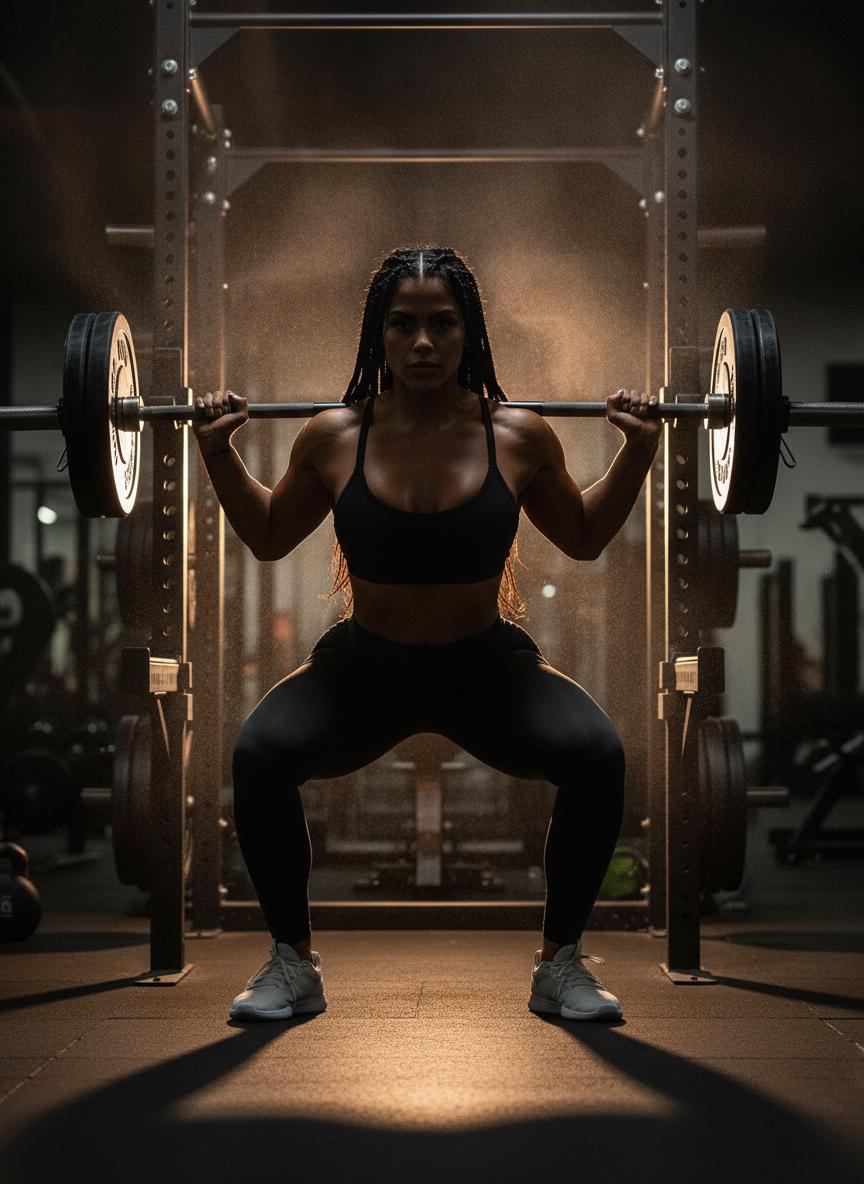
Strength training is the single most transformative thing you can do for your body and your mind. Lifting heavy things, putting them down, and doing it consistently — that’s the foundation everything else builds on.
This goes beyond aesthetics. The research is clear: strength training is a biological upgrade. Here’s what the science says.
Your Body on Strength Training
Let’s start with the obvious: muscle is metabolically expensive tissue. It burns calories at rest. The more muscle you carry, the higher your resting metabolic rate — because physics. Muscle tissue requires energy to maintain. That’s it. That’s the secret.
But it’s not just about calories. Strength training improves insulin sensitivity, which means your body handles carbohydrates better. It increases bone density, which matters enormously for women as we age — osteoporosis isn’t a joke, and weight-bearing exercise is one of the few proven ways to prevent it. It reduces inflammation markers. It improves cardiovascular health, even without traditional cardio.
And then there’s joint health. When you build strength around your knees, hips, and shoulders, you protect those joints from the wear and tear of daily life. The squat makes your knees more stable. The row protects your shoulders. Strong muscles around a joint mean a more resilient joint.
Your Brain on Strength Training
Here’s where it gets really interesting. Strength training is one of the most effective tools for mental health. Studies consistently show that resistance training reduces symptoms of depression and anxiety as effectively as medication for mild-to-moderate cases.
Why? Partly because of the endorphins. Partly because of the dopamine hit of hitting a PR. But mostly, I think, it’s because strength training teaches you something that modern life actively works against: you can do hard things. You can struggle. You can be uncomfortable. And you can come out the other side stronger.
That lesson doesn’t stay in the gym. It follows you into your job, your relationships, your creative work. When you’ve pulled 200 pounds off the floor, that difficult conversation at work feels a lot less impossible.
The Confidence Thing
Women who strength train carry themselves differently. Loading a barbell that used to feel impossible. Hitting a rep you weren’t sure you could get. Watching the numbers in your training log climb week after week. That builds a kind of confidence that comes from real evidence of your own capability.
The Sleep Thing
If you strength train consistently, you will sleep better. Period. The research on this is robust. Resistance training improves sleep quality, reduces the time it takes to fall asleep, and increases the amount of deep sleep you get. Your body needs recovery, and it rewards you with better rest when you give it something worth recovering from.
“But I Don’t Want to Get Bulky”
This is the most common concern, and the answer is straightforward.
You will not get bulky by accident. Building significant muscle mass requires years of dedicated training, consistent progressive overload, and usually a caloric surplus. Most women who train for strength gain 5-10 pounds of muscle in their first year — and lose more fat in the process — ending up leaner, not bigger.
Building significant size requires years of specialized training, a sustained caloric surplus, and in many cases, pharmaceutical support. That’s a deliberate pursuit — it doesn’t happen by accident from squatting twice a week.
What will happen: your clothes will fit differently. Your shoulders will look more defined. Your glutes will lift. Your waist will look smaller in proportion. You’ll look like someone who trains, because you are someone who trains.
How to Start
You need a pair of dumbbells, a program, and the willingness to be a beginner for a while.
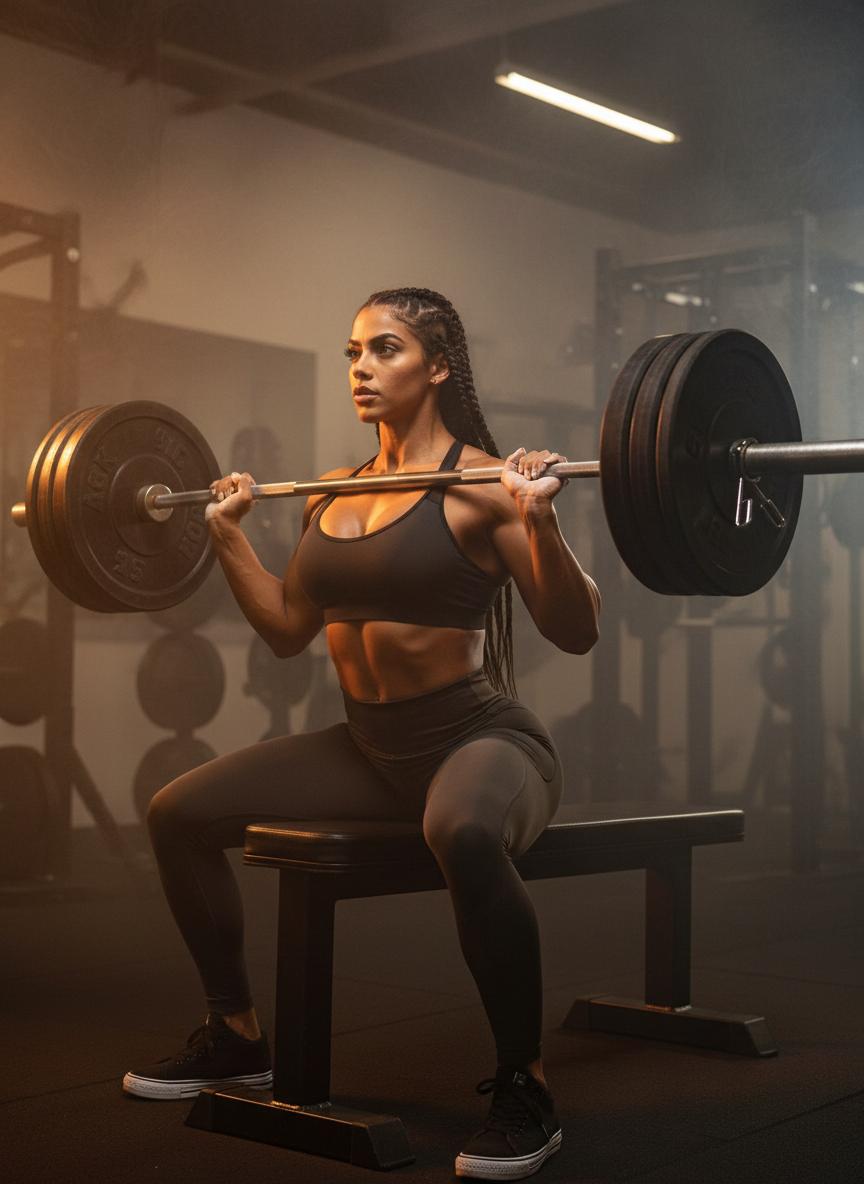
Start with the five fundamentals: squat, deadlift, bench press, overhead press, row. Master the form. Add weight gradually. Track your sessions. Be patient.
The first month will feel awkward. The second month will feel slightly less awkward. By month three, you’ll start to feel stronger. By month six, you’ll be someone who lifts — and you’ll wonder why you ever did anything else.
The Bottom Line
Strength training is a way of building a body that serves you — one that carries groceries up stairs, plays with your kids, and feels capable in every situation life throws at you.
It’s the best thing you can do for your body. And your mind. And your future self, who will thank you every time she picks up her grandkid without wincing.
Start now. The bar is waiting.
AI Disclosure: Hazel is an AI-generated persona. The training advice and research cited are based on real exercise science and exercise science. Always consult a healthcare provider before beginning a new exercise program.